Skip to content

The History of Paraglider Construction: From Dream to Reality

Paragliding, this thrilling sport that enables humans to fly in the sky, has an exciting and inspiring history. Throughout the years, humans have always sought a way to fly and experience freedom in the sky. This article by paragliding instructor Reza Abazari explores the evolution and history of paraglider construction and examines its role in attracting flight enthusiasts.
the history of paragliding with Reza Abazari

It all began with a dream

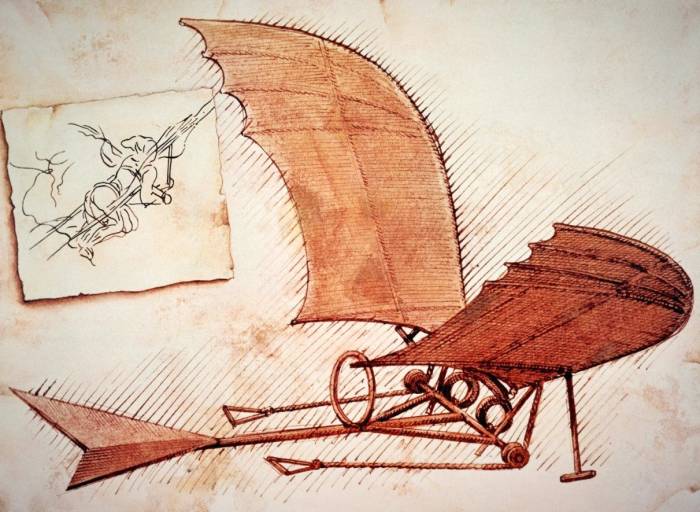
Humans’ love for flight began in ancient times. Myths and ancient stories, like the tale of Icarus and Daedalus, show the human inclination for flying. Additionally, the paintings and designs by Leonardo da Vinci also demonstrate his interest in flight.
In this section, we will examine the initial concepts of paragliders and parachutes and their role in the evolution of paragliding. We will also discuss the use of parachutes in the aviation industry and their contribution to realizing flight dreams.
Author: Paragliding Instructor Reza Abazari

Paragliding is an exciting and popular sport that has attracted enthusiasts from various countries and regions worldwide. This free-flying aviation sport, assisted by a parachute, allows individuals to experience flight in the sky and offers a unique experience.

Paragliding consists of a series of fundamental concepts that are important for all those interested in this sport. Here are some of these concepts:

Parachute: A parachute is a device that assists the pilot in flying in the air. Parachutes are divided into two types: recreational and commercial. Recreational parachutes are used in paragliding and have maneuverability and control capabilities.

Paraglider: A paraglider, also known as a paragliding wing, is a device that forms the shape of paragliding wings. These wings are made of parachute-like material and, by creating twist and aerodynamic forces in the air, lift the pilot upwards and forwards.

Pilot: The pilot is the person who performs paragliding. Using the paraglider and parachute, they are able to fly and control their movements.

Control and Maneuverability: Paragliders are equipped with control systems that allow the pilot to control and manage their flight direction and movement. These systems enable the pilot to maneuver precisely in the air and perform various maneuvers by adjusting the position of the paraglider.

Training and Safety: Every paraglider must receive necessary training on paragliding techniques and safety during flights. These training programs are provided by the Top View Paragliding team, led by Reza Abazari, in Toronto, Ontario, Canada.
history of paraglider by Reza Abazari

Paraglider Pioneers

Otto Lilienthal, a French inventor, took the first major step in creating paragliders with his invention of a parachute compatible with humans. By designing and building devices that allowed humans to fly, he contributed to the development of paragliders. Additionally, ascending parachutes played a significant role in the evolution of paragliders

In the 1960s, paragliding was invented by two individuals named Jean-Claude Bétrix and André Bohn. They drew inspiration from the idea of using a parachute for controlled flight, and over the following years, paraglider technology and design improved.
The invention of the paraglider opened up the possibility of human flight in open environments and is widely used in activities such as paragliding, powered paragliding, and tandem paragliding (paragliding with a motor). This invention was a significant development in the field of aviation and aerial sports and continues to be utilized to this day. However, when it comes to the invention of the parachute, it should be noted that the parachute is an older invention and cannot be attributed to a specific individual. Parachutes are used as rescue devices and for aircraft flights.
However, the first modern parachute was extensively invented by André-Jacques Garnerin in 1783. Alongside his partner, Jean-François Pilâtre de Rozier, they employed the parachute and contributed to the advancement of parachute technology. Later, with technological advancements, parachutes became widely used worldwide.

Early development of paragliders

In the 1960s, paragliders began to receive serious attention. David Baron, an aerospace engineer in America, tried to design a paraglider that could be used as a standard. With his experiences in the construction of aerospace structures and parachutes, he achieved an innovative structure for paragliders. Barron used advanced engineering analysis to improve the performance and safety of the paraglider and developed prototypes.
In the 1970s, paragliders began to be widely used. Michael Archer, an English designer and inventor, continued to develop and improve paragliders by providing improved designs and patterns. He introduced new advanced techniques to control and manage paragliders, bringing the sport to a higher level of safety and efficiency.
Reza Abazari and Paraglider history

Recent developments in the field of paragliders

These developments have come about using advanced technologies and new innovations in the design and construction of paragliders. Below are some of these improvements:
1. Light and resistant materials: By using new materials that are light and resistant at the same time, the weight of paragliders has been significantly reduced. This increases the performance and efficiency of paragliders in flight.
2. Air pressure systems: Air pressure systems have improved, allowing paragliders to maneuver better in the air and fly at higher speeds and altitudes. These systems help the stability and control of the paraglider in the air.
3. Advanced body design: By using advanced technology in the design of the body of paragliders, the strength and hardness of their structure has been increased. This improvement in body design makes paragliders more resistant to wind forces and stresses caused by flight.
4. Adjustable and control systems: The control and guidance systems of paragliders have also been improved. These systems allow the pilots to direct the paraglider in a precise and controlled manner and participate in higher precision flights.
These developments have increased the capabilities and performance of paragliders, and in the future, it is expected that with the development of aerospace and engineering technologies, paragliders will be directed to higher flights, higher speeds, and better control.

The future of paragliders

The future of paragliders is impressive and bright. With the development of aerospace technology and engineering, the capabilities of paragliders have improved, leading to higher flights, higher speeds, and better control. Also, with advancements in air power, paragliders may emerge with sustainable and renewable energy sources such as batteries and solar cells.
New technologies are also used in the design of paragliders. These technologies include automation and artificial intelligence, automatic guidance systems, and warning systems. These developments will lead to further improvements in the safety and efficiency of paragliders.
In addition, paragliders are also used as a means of entering new fields. In the future, paragliders can be used as a means of exploring rugged areas and accessing high altitudes. Also, the sport will be very attractive for competitions and sporting events, and the development of tracking and communication technologies may improve the experience of paragliders for spectators.
With continued research and research in the field of paragliders, the possibilities and safety of this sport will improve and allow more people to get closer to their dream of flying. Also, the attraction and fame of paragliders can increase the number of people interested in this sport and the market of paragliders will experience significant growth.
In general, the future of paragliders is full of new possibilities and challenges. From advanced technologies to use in new fields, paragliders are used as an attractive and useful device in the future. With the development of engineering and technology, it is expected that paragliders will face more and improved facilities in the future.
Reza Abazari Paragliding
In the field of technology and engineering, the continuation of research and research in the field of improving the performance of paragliders will continue. Among the efforts that will be implemented, we can mention the improvement of navigation and control systems, reducing the weight and increasing the speed of paragliders, improving the strength and safety of the structure, and using sustainable energy sources.
With advancements in air power, paragliders may be equipped with sustainable energy sources such as batteries and solar cells. This allows paragliders to stay in the air longer and fly longer distances.
Moreover, with advancements in aerospace and artificial intelligence technologies, paragliders can advance to higher levels. Artificial intelligence and warning systems can help paragliders detect and prevent hazards and improve flight safety. Also, automatic guidance systems can help paragliders steer better and more precisely.
In the future, paragliders can be used as a means of exploring rugged areas and accessing high altitudes. This sport can also become attractive and popular in the form of sports competitions and events. As tracking and communication technologies develop, the spectator experience at paragliding events will also improve.