Powered Paragliding
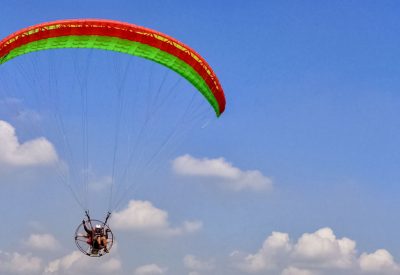
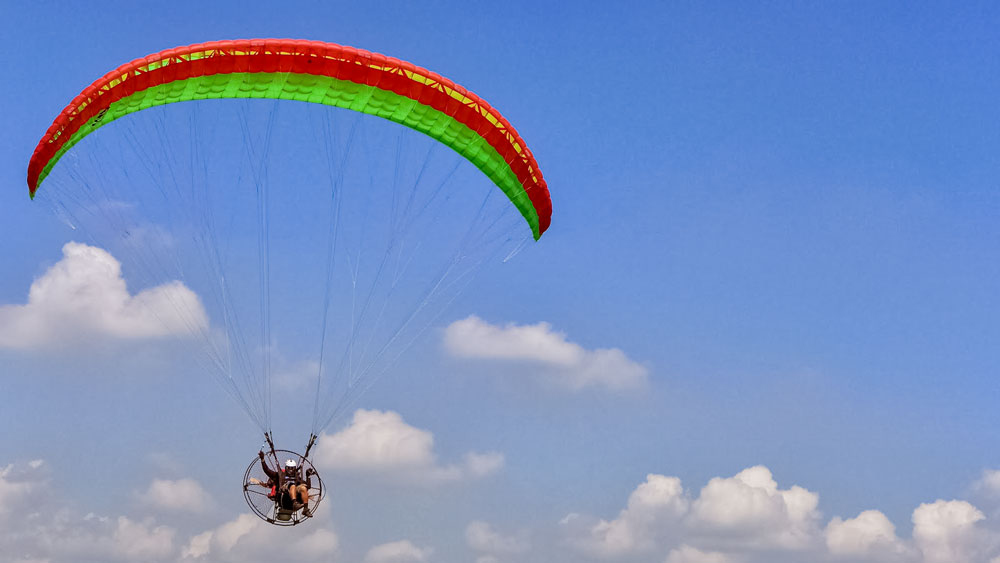
Powered paragliding, also known as paramotoring or PPG, is a type of ultralight aviation in which the pilot uses a backpack engine (paramotor) that provides enough thrust to lift the paraglider. It can be launched in still air and on level ground by the pilot alone – no assistance required.
In many countries, electric paragliding has minimal regulations and does not require a license. The ability to fly safely low and slow, the feeling of being “open”, minimal equipment and maintenance costs, and portability are the greatest advantages of this type of flight.
Advantages of flying in Powered Paragliding
The paramotor allows the pilot to easily take off from the ground (in a paraglider, the pilot must fly from a height) and fly in the sky for a long time due to the thrust created by the engine. Depending on the power of the engine, the pilot can go almost anywhere he likes and enjoy seeing pristine and untouched landscapes and enjoy his flight as long as he can fly.
For example: the eastern and western coasts of Canada are suitable for flying with paramotors due to their indescribable beauty. The beautiful landscape and nature and the beautiful coast of Northern Ontario allow the pilot to enjoy the debates that not everyone is able to watch and the gentle breeze that hits his face in complete peace and safety, with the training of instructor Reza Abazari. You will enjoy like a real bird and finally finish your flight calmly and enjoy the energy you got from your flight for a long time.
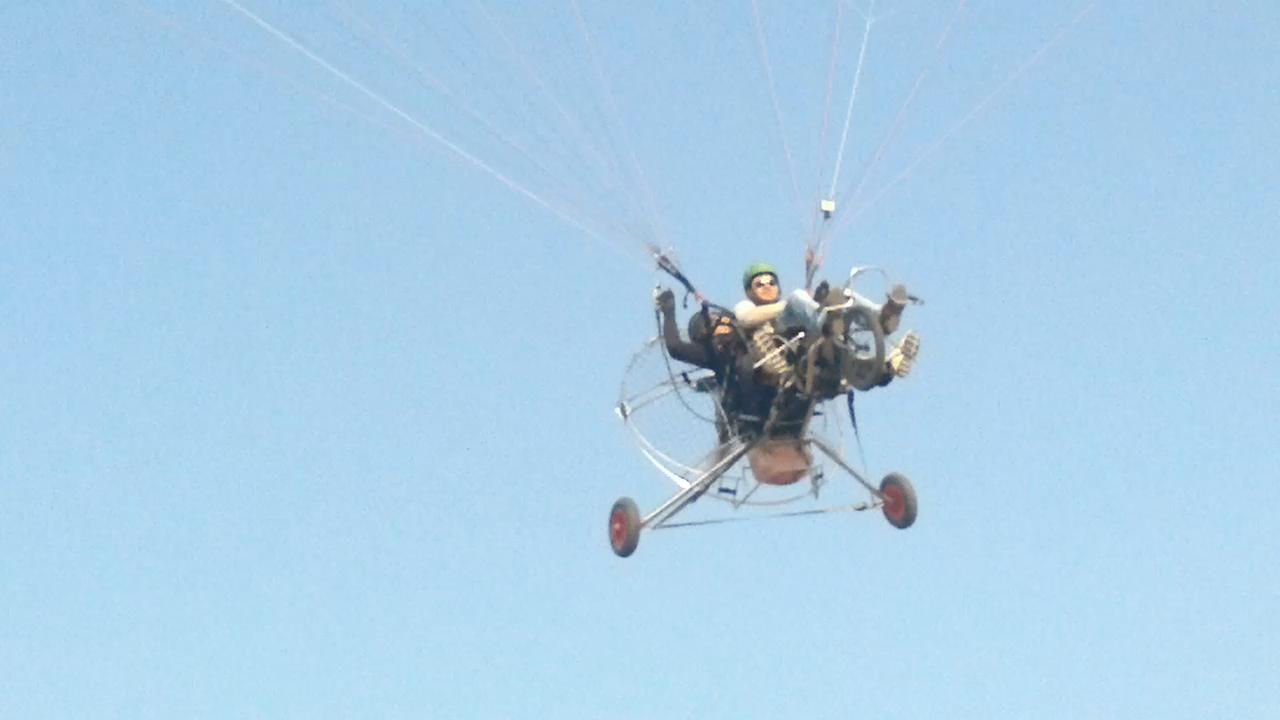
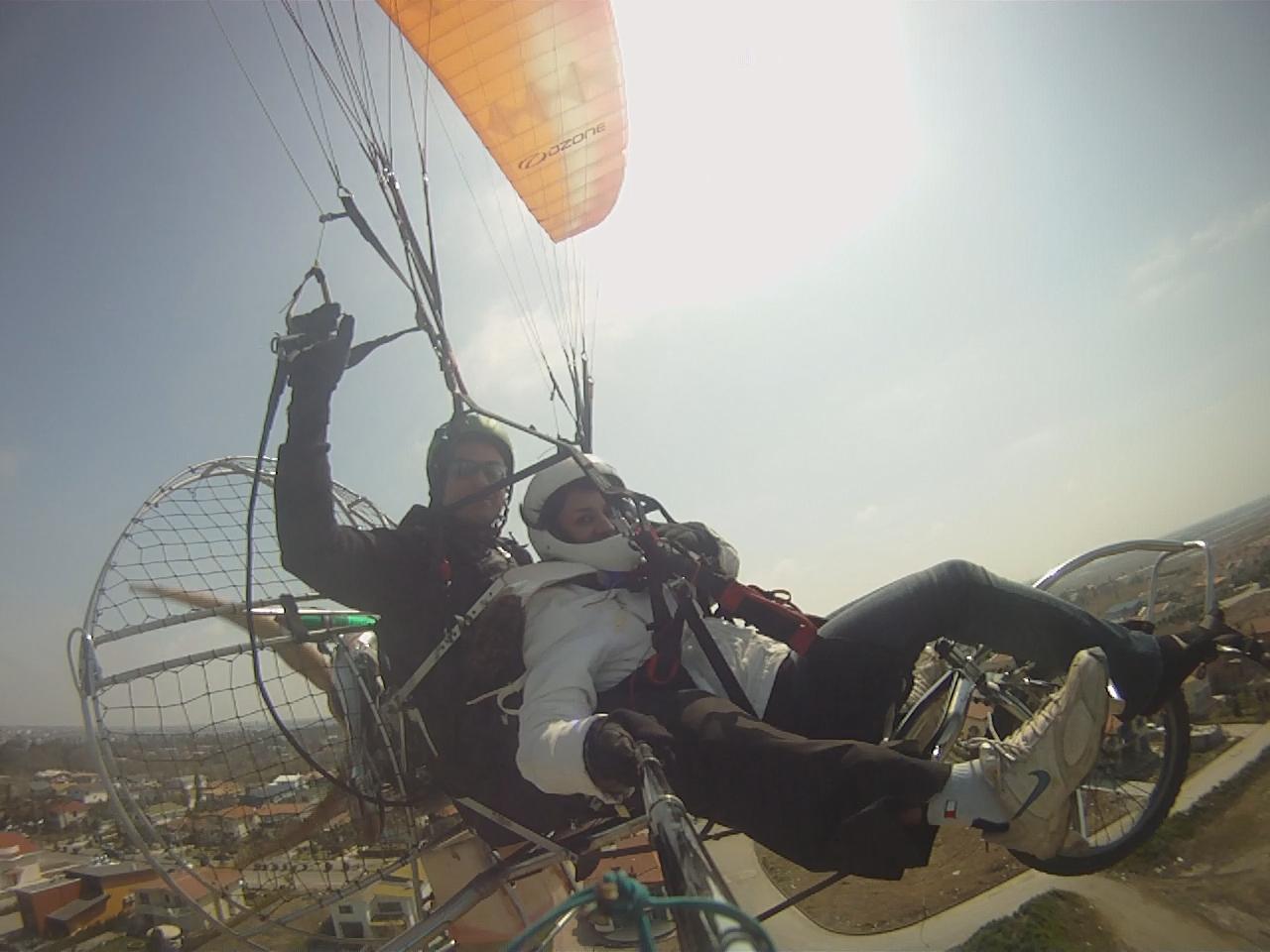
In addition, flying with a paramotor allows you to easily take another passenger (tandem) with you and she/he can also enjoy the pleasure of flying with a paraglider.
The suitable speed of paramotors has turned them into the most suitable flying devices for filming and aerial photography and identifying and reaching inaccessible areas.
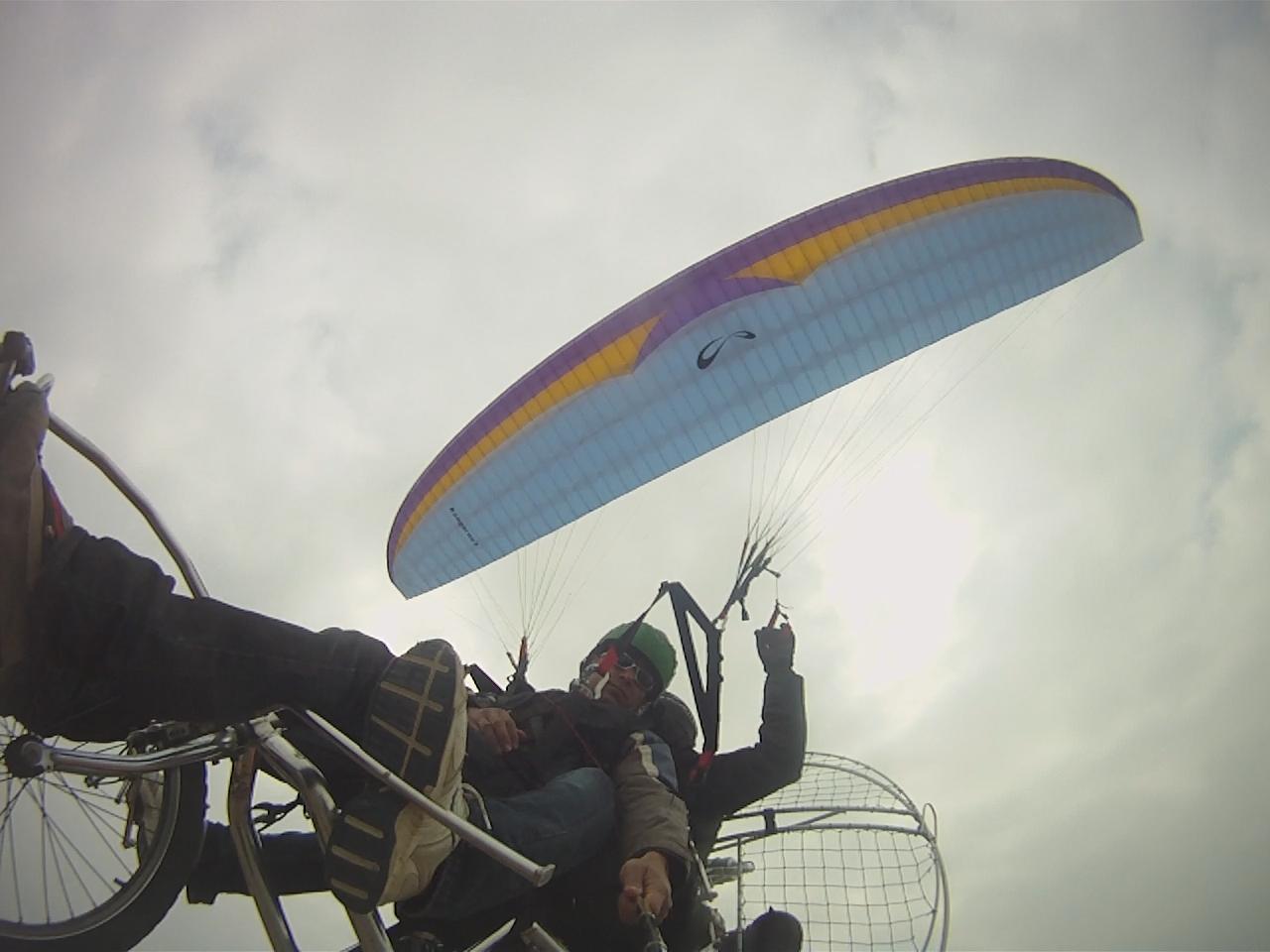
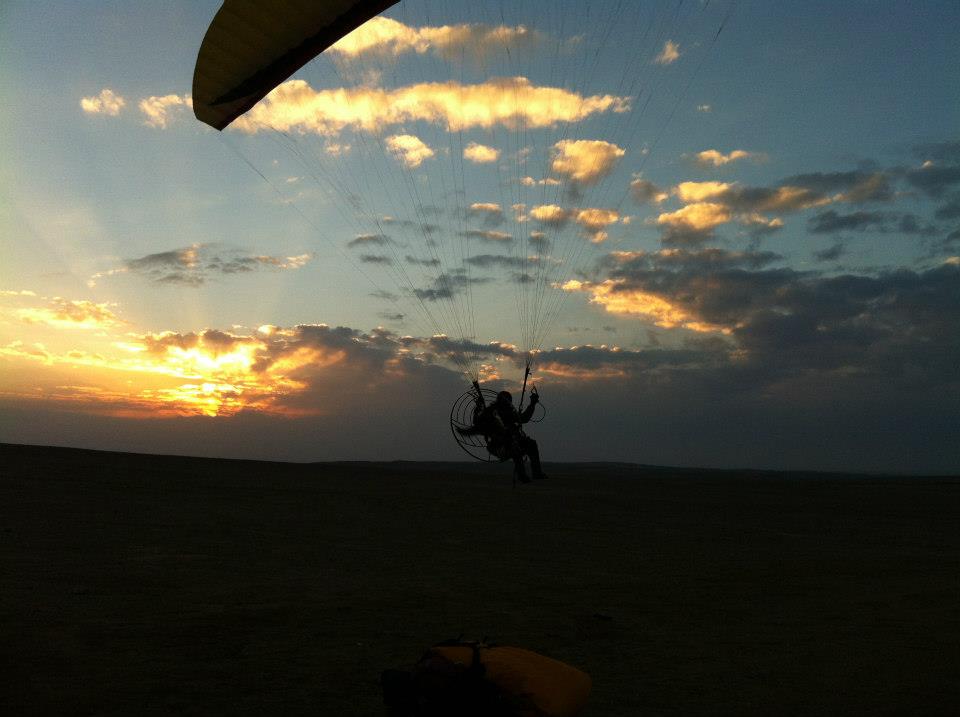
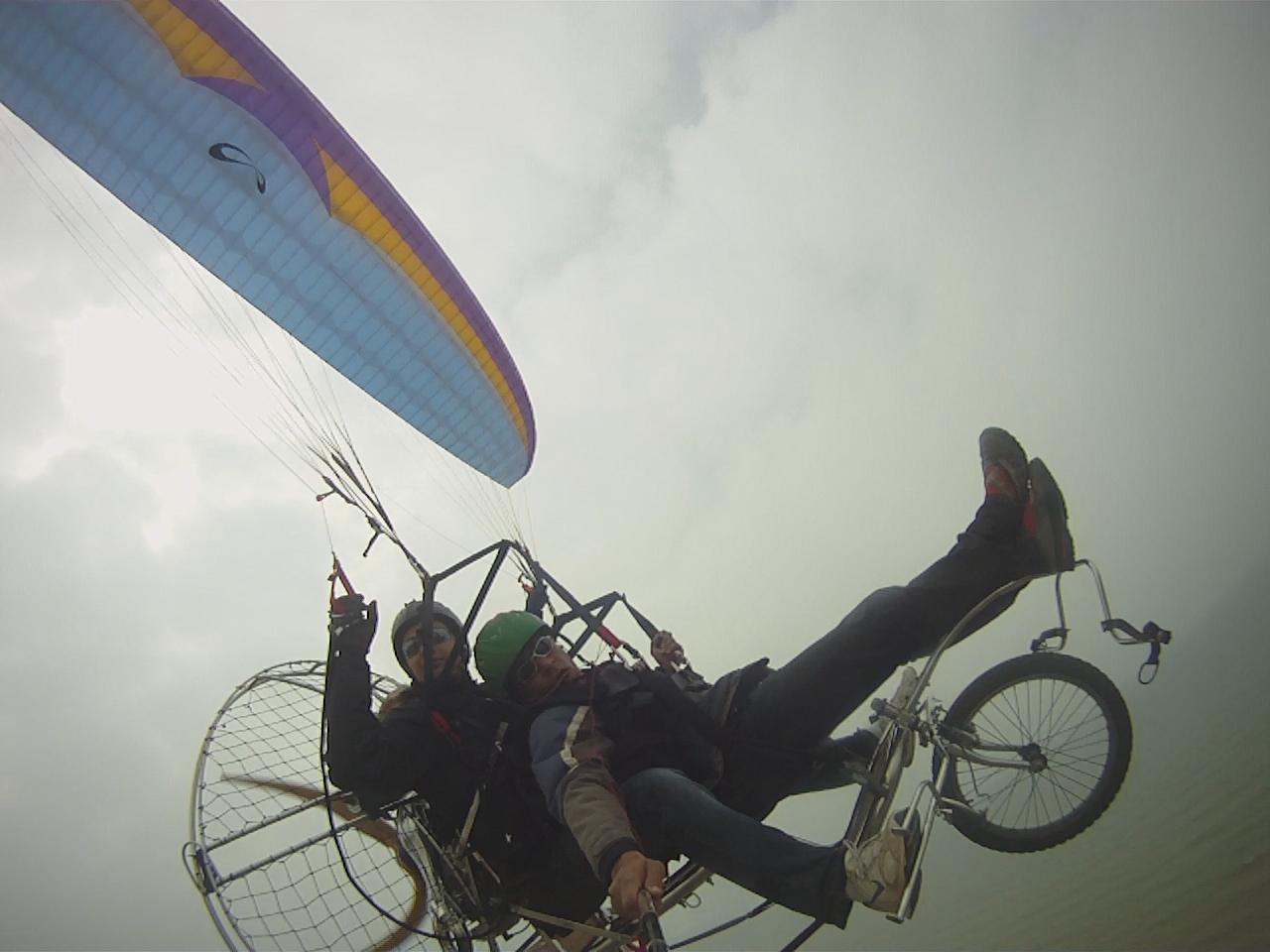
Powered paragliding training course
This training course is designed for those people who are interested in flying with the lightest and simplest motorized aircraft. By acquiring the necessary knowledge and skills at the end of the training course, you will be able to take off and fly from the ground level (AGL) under the direct supervision of coach Reza Abazari, and after guiding and patrolling the area, complete your flight and land.
The training course includes: 12 hours of theory training (Ground School) based on PPG Beginner syllabus and 7 sessions of practical training (Practice).
Course Description
After acquiring the necessary knowledge and information in 3 sessions of the theory class (Ground School), the applicants will be ready to perform movements and practical exercises (Practice) on a smooth surface under the direct supervision of coach Reza Abazari. Certainly, flying with a paraglider and passing the Beginner & Novice training courses are very useful and significant for better passing this training course. By showing how to fly on the first day of practical training by the instructor and acquiring the necessary skills for how to fly, it will be the turn of the applicants for practical training, which includes the following steps:
• Practice on a flat surface and how to connect
• Constant attendance in classes and paying attention to basic theory training (Basic Ground School).
• Getting to know and how to connect and prepare the paramotor (Assembly).
• Spreading and checking before connecting the canopy to the harness and engine (Preflight).
• How to start (Starting).
• How to use the throttle and turn off the engine (Throttle control & Power cutoff).
• Gasoline, oil and combination (Fuel/Oil Mixing).
• Repairs and maintenance.
• Transportation and storage.
• Launching and guiding the aircraft in the desired direction.
• Learning how to connect the canopy to the harness, control the risers and lines without any problems, and in case of a fault, fix the possible problems (Trouble Shooting).
• Preparation and implementation of the Inflation phase and running towards the Wind Sock and the check point.
• Canopy pendulum control in the forward and reverse launch phase with the engine off/on (Launch Power Off/On).
• Directional Control.
• Take Off.
• Control and maintain Air Speed in variable winds.
• Straight and level flight.
• Landing smooth and safe.
• Collecting and packing flight equipment (Disassembly).
• How to take care of Airmanship equipment, Attitude
• Checking and controlling weather and air traffic for safe and fun flight performance
• Exam and passing the exam with 80% marks.